

Ferrucciano Museum of Gavinana
San Marcello Piteglio
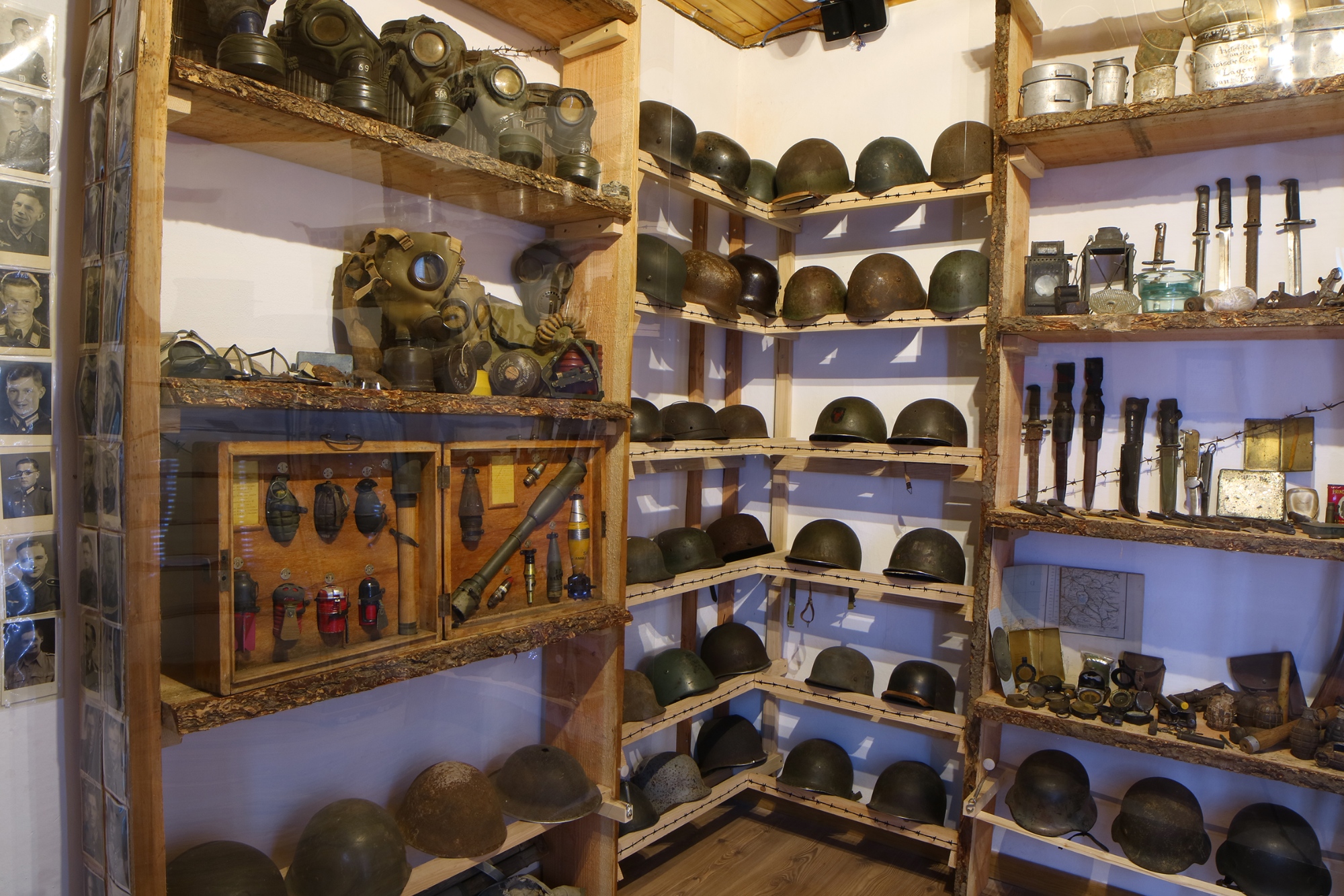
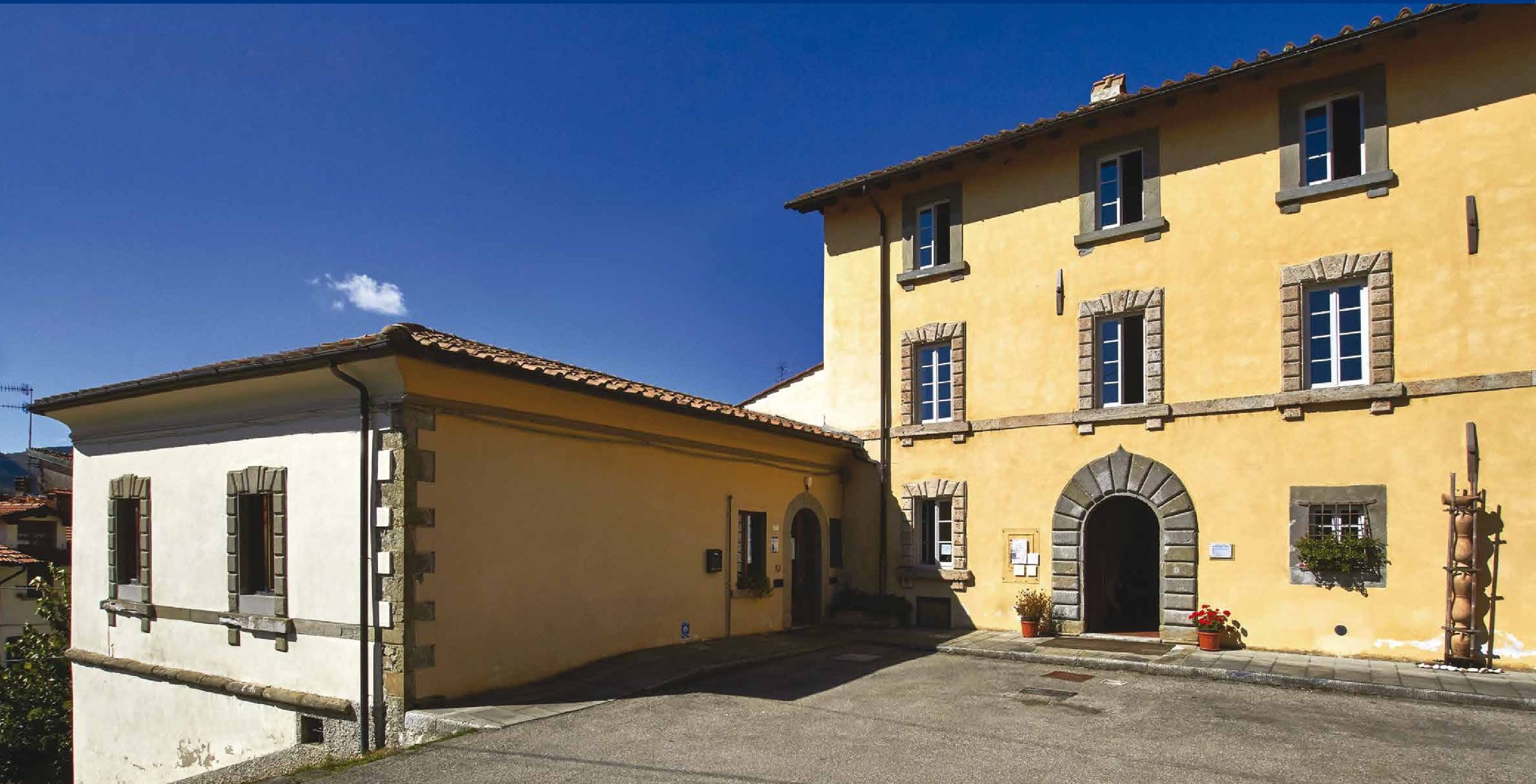
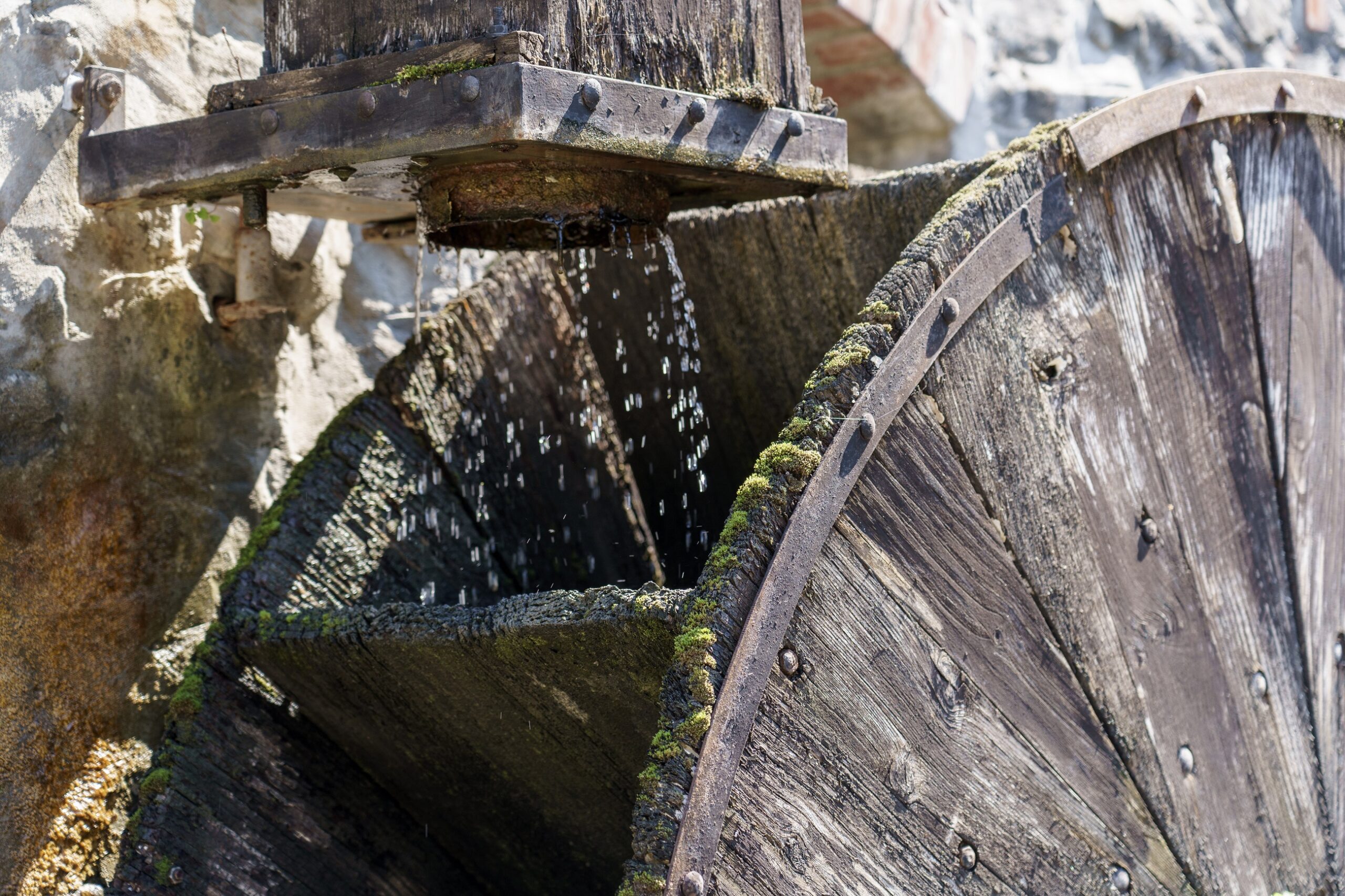
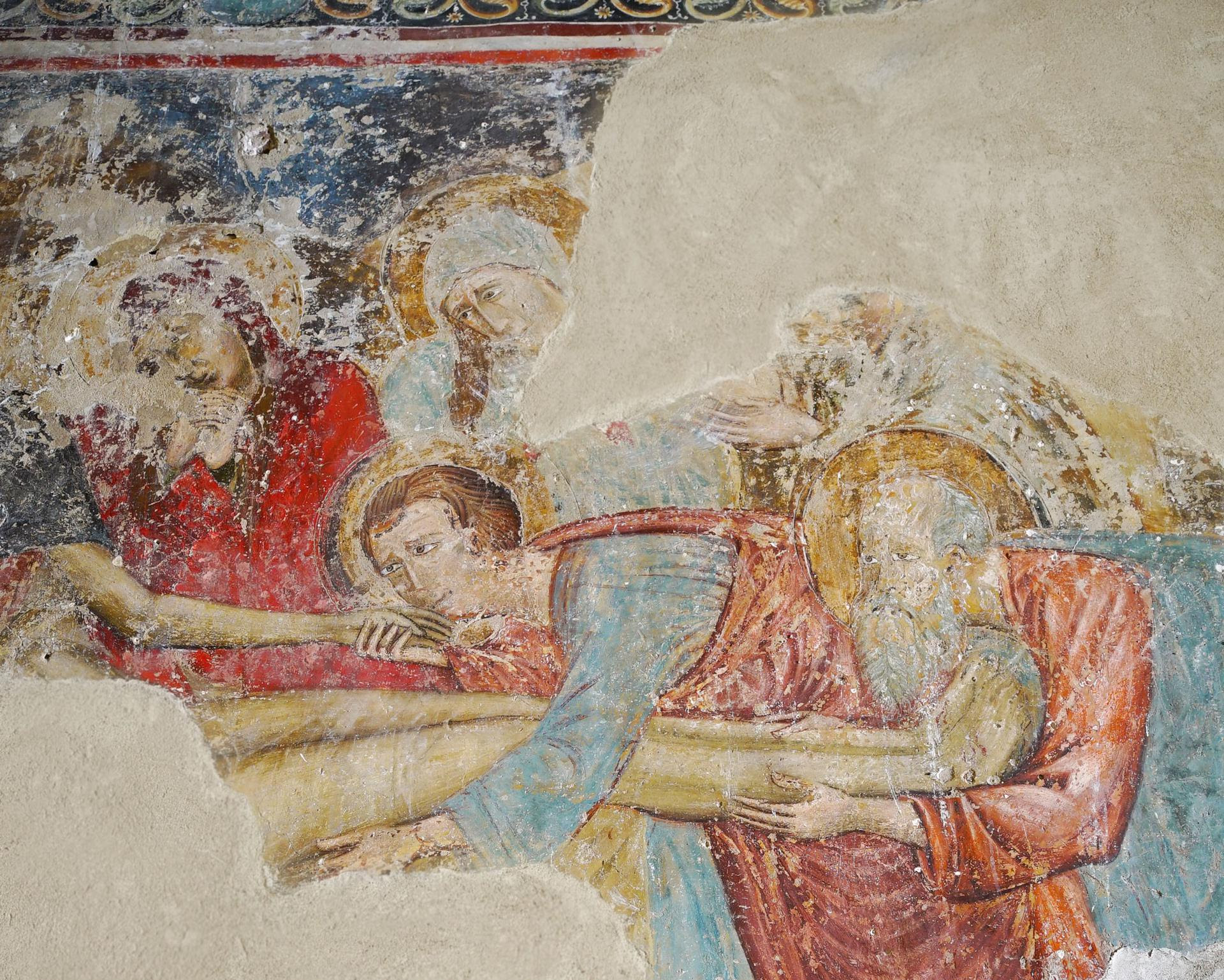
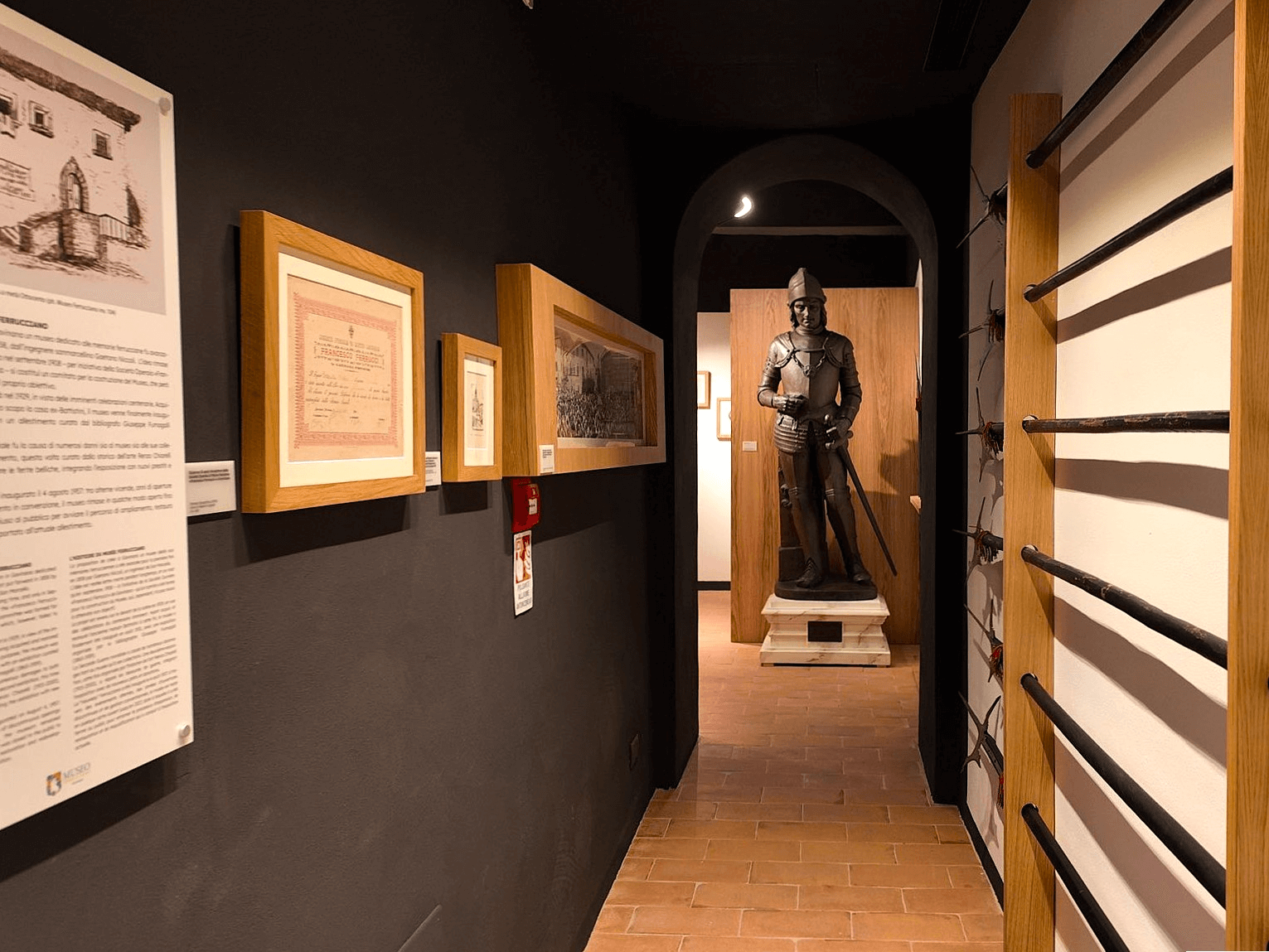
The museum honors Francesco Ferrucci, general of the Florentine Republic, and commemorates the historic Battle of Gavinana in 1530.
Located in Gavinana, on the Montagna Pistoiese in the municipality of San Marcello Piteglio, the Museo Ferrucciano (MuFer) pays tribute to Francesco Ferrucci, a valiant commander of the Florentine Republic who, on August 3, 1530, fought in this area against the imperial troops of Charles V, then allied with the Medici in the war against Florence. To commemorate the heroic commander and the battle that marked his fate, the museum…
From Friday to Sunday
San Marcello Piteglio
Discover A place for anyone who wants to delve deeper into the history of a region that has made sport, the mountains, and hospitality its defining strengths.
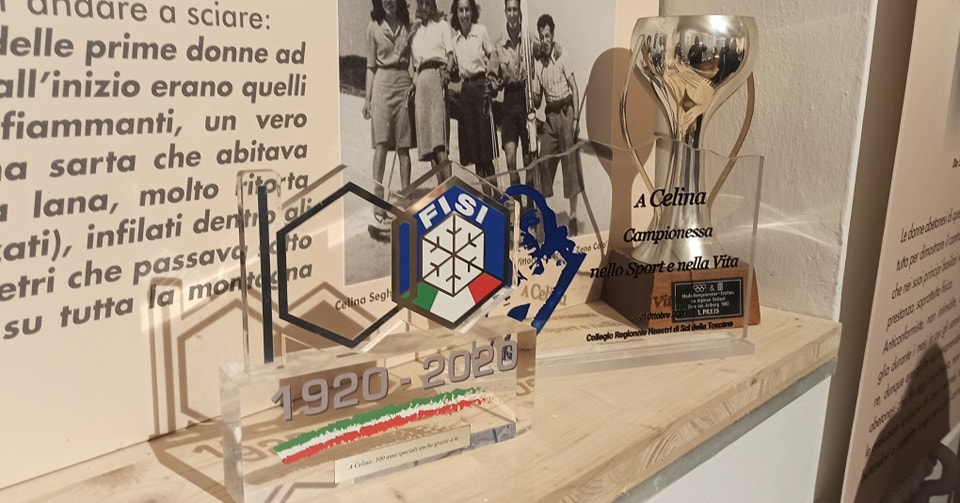
Inaugurated in July 2019, the Abetone Municipal Ski Museum (Museo dello Sci di Abetone) is a unique and fascinating destination to explore the history of one of the world's most beloved winter sports. Located within the schools of Abetone, in the municipality of Abetone Cutigliano, the museum pays tribute not only to the sport of skiing but also to the deep bond that connects this region to snow, mountains, and…
From December 27th to April 6th. Other days available upon request.
Abetone Cutigliano
Discover A centre for the value appreciation and conservation of Maestro Jorio Vivarelli's works of art, the Foundation is a point of reference for Pistoia's 20th century art scene
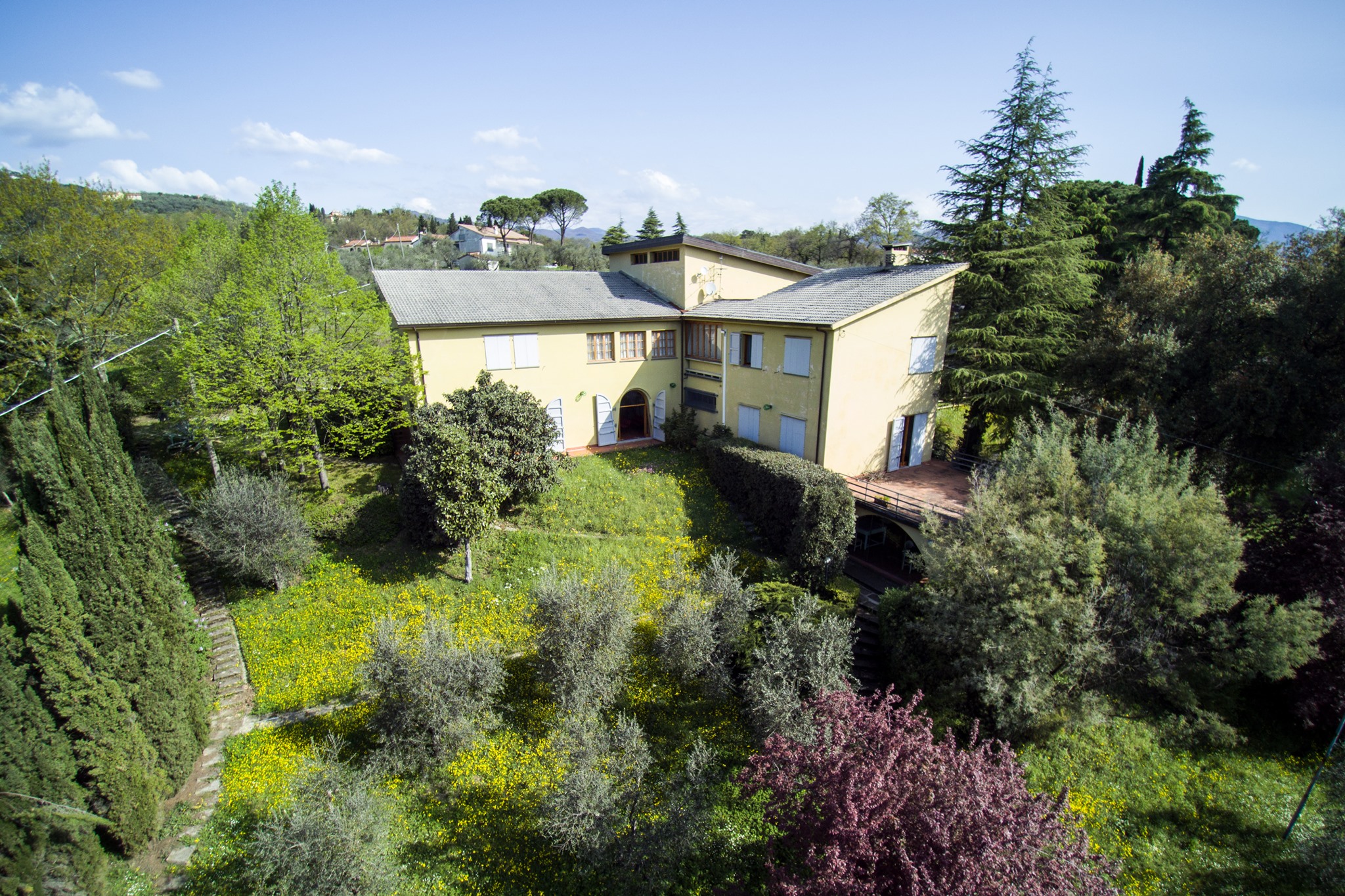
The Jorio Vivarelli Foundation aims to conserve and give value to Jorio Vivarelli's (1943-2008) works of art, as he was a well-known and much appreciated sculptor from Pistoia. The Foundation, with its seat in Villa Stonorov and in its surrounding park, holds the largest collection of the Maestro's works, made up of sculptures, drawings, handmade medals as well as a collection of plaster casts and sketches. This Villa is a…
Guided tours by appointment
Pistoia
Discover A gentle journey, across six different itineraries, to discover mementos and traditions which tell the tale of centuries of history and of the work of man in the Pistoia Apennines.
The Ecomuseum is not a traditional museum: rather, it is a popular, museum-type experience which demonstrates the centuries-old relationship between the local people and their environment, communicating constantly through reciprocal influences and adjustments. Created by the Province of Pistoia and open since 1990, it was the first ecomuseum to be established in Italy. An innovative project, it has been awarded a gold plaque in Parma as the best example for…
San Marcello Piteglio
Discover A symbol of the history and economy of the Pistoia Mountains. Europe's largest air raid shelter which twists and turns for more than 2 km.
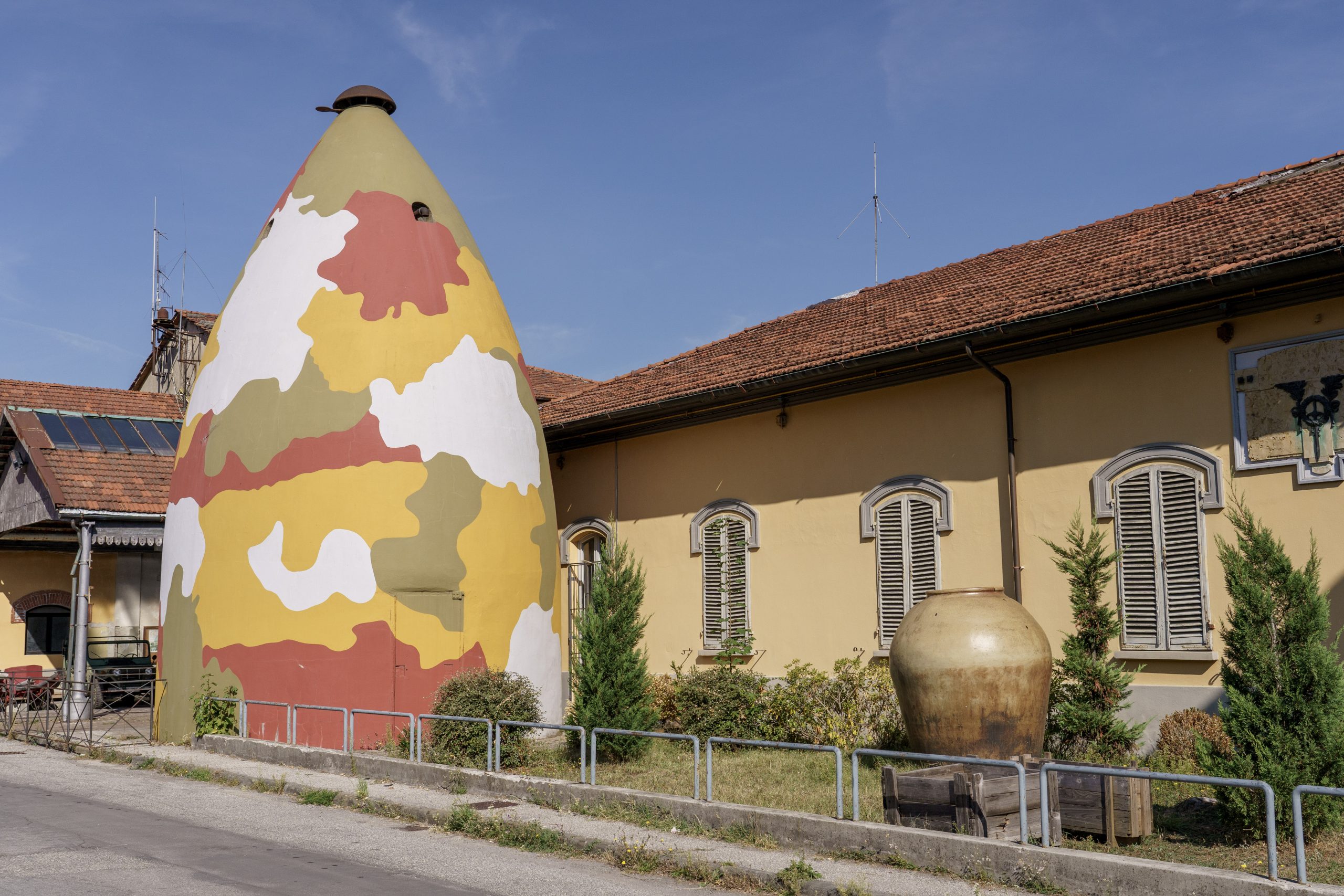
The S.M.I. - Italian Metallurgic Industry - museum and shelters is an excellent example of industrial archeology, unique in Europe due to the size of this vast underground shelter and totally safe from air raids. It is to be found at Campo Tizzoro in the Municipality of San Marcello Piteglio in the Pistoia Mountains. Its history is inextricably bound to that of S.M.I.'s industrial factories, leaders in cartridge production in…
Closed
San Marcello Piteglio
Discover Part of the Ecomuseum's Sacred Art Itinerary, the museum includes the Pieve di Santa Maria Assunta, the Diocesan Museum, and the Sacred Art Educational Center.
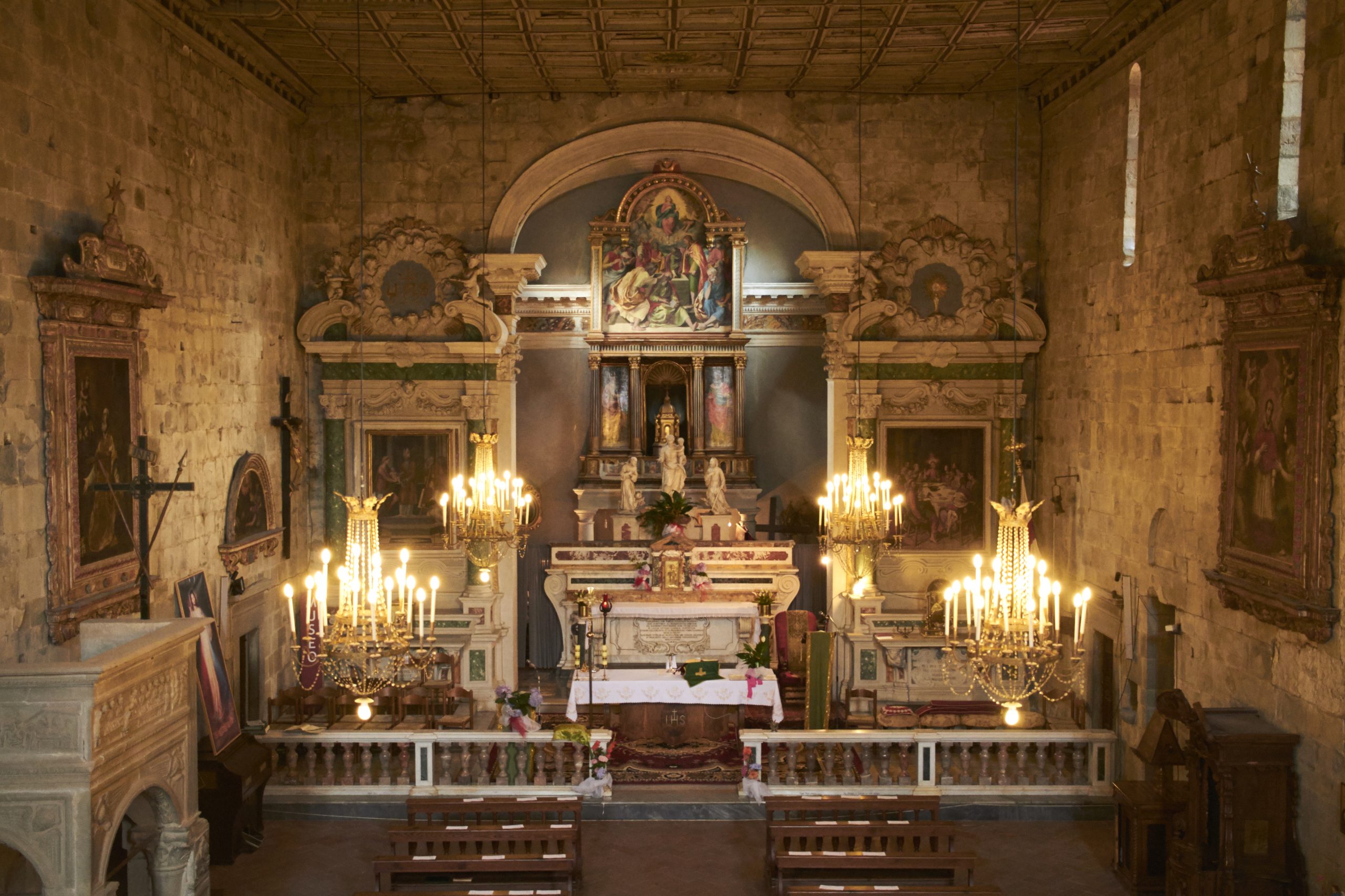
The Itinerary of Sacred Art and Popular Religion of the Ecomuseum of the Montagna Pistoiese is centered around the charming village of Popiglio and is divided into three sections. The Pieve di Santa Maria Assunta, founded in 1271, was enriched in the 16th and 17th centuries with valuable Roman Baroque art pieces, donated as ex-voto by a family of Popiglio residents living in Rome, the Vanninis. Inside, it features a…
July and August
San Marcello Piteglio
Discover A journey to discover the natural history and the presence of man during prehistoric times in the Pistoia Apennines. It is a part of the Nature tinerary of the Ecomuseo della Montagna Pisstoiese.
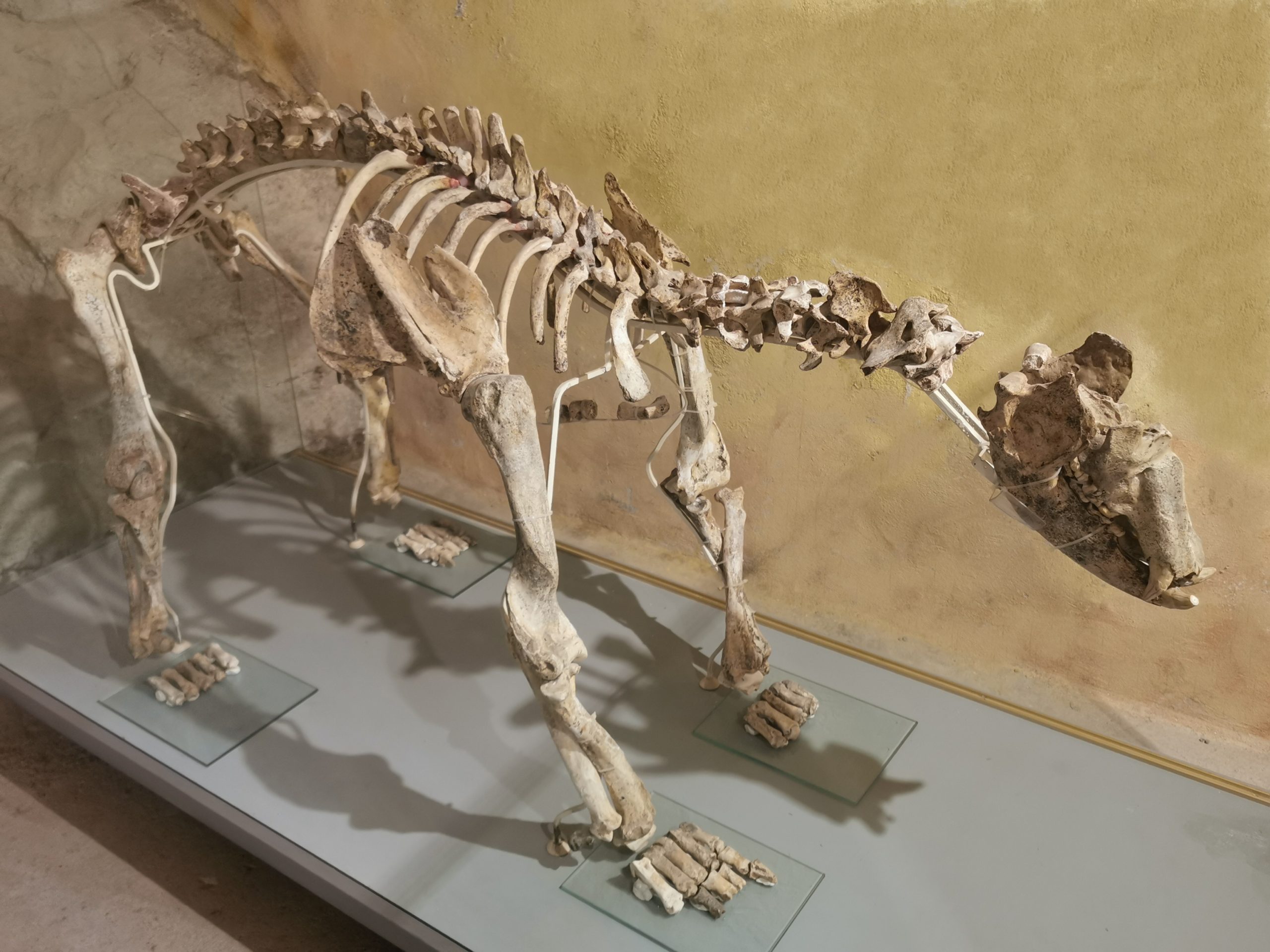
Having opened its doors for the first time in June 2018 in Palazzo Achilli - its new seat - in Gavinana (PT), the museum is a part of the Nature trail of the Ecomuseo della Montagna Pistoiese and is home to many naturalistic and archaeological finds, thanks to research carried out over the years by the Naturalistic Group of the Pistoia Mountains (GNAP). The exhibition, divided into thematic sections, takes…
From June to September
San Marcello Piteglio
Discover This museum can take you on a journey through the lives of its Apeninne inhabitants from centuries past to modern times. It is a part of the itinerary of Daily life of Pistoia Mountains' Ecomuseum.
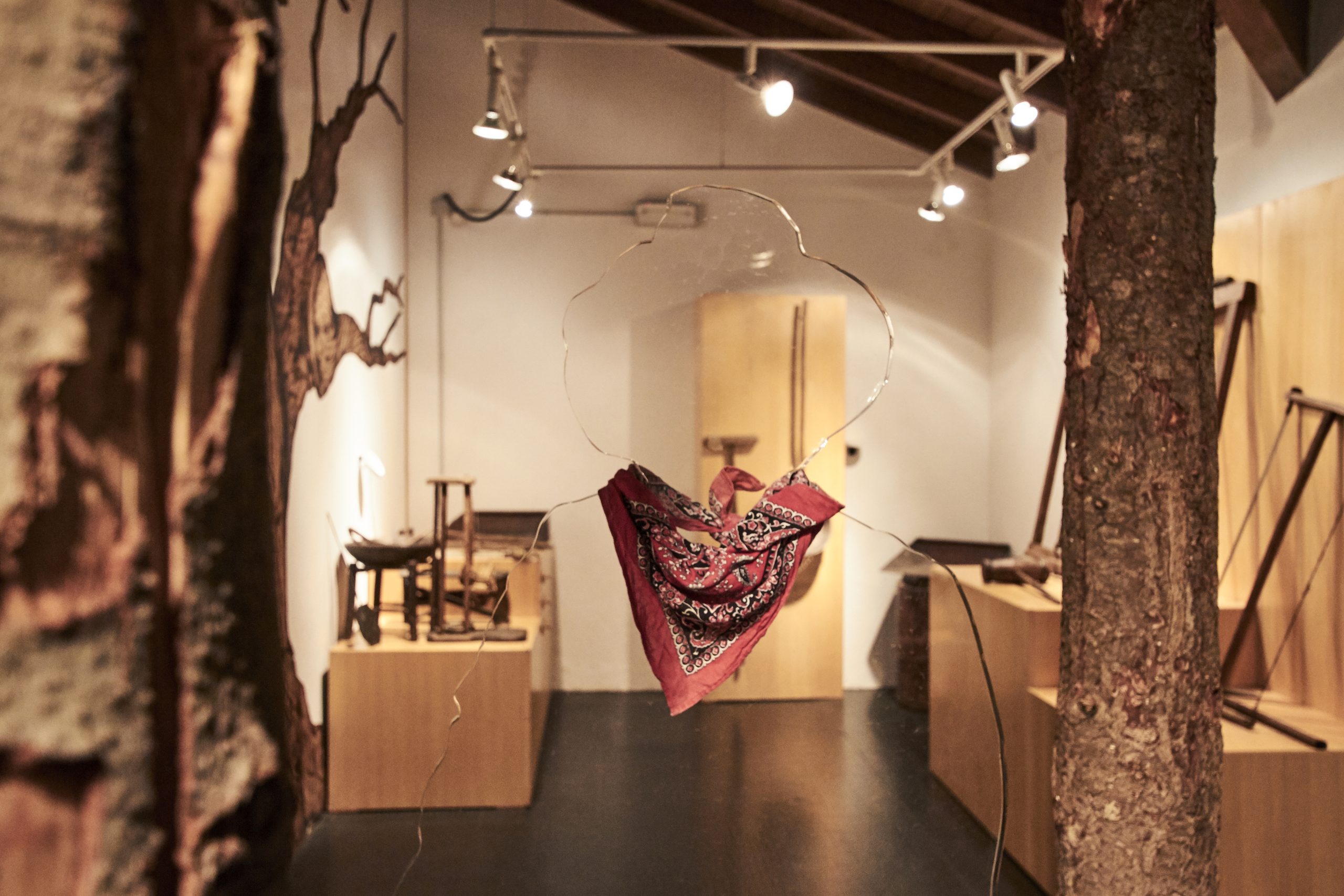
The Museo della gente dell'Appennino Pistoiese (Museum of Everyday Life in the Pistoia Apennines) takes you on a journey through the lives of this area's inhabitants, from centuries past to modern times, by means of work tools and everyday objects, images, sounds, stories and interactive rooms, which invite visitors to lose themselves in the idea of "making it with your own hands". The museum The principle themes are "to be…
Abetone Cutigliano
Discover The museum preserves and hands down to the present, the memory of the events that marked out this territory during the Second World War.
The museum stands in the village of Pianosinatico in the Pistoia Mountains, where the Gothic Line once passed. This was a defensive line, built by the Germans to halt the advancement of the Allies and that effectively cut the Italian peninsula in half, from Marina di Massa, on the Tyrrhenian coast to Pesaro on the Adriatic one. The museum preserves and hands down to the present, the memory of these…
Abetone Cutigliano
Discover Partially rebuilt in the 18th century by Filippo Achilli, to whom it owes its name, Palazzo Achilli - apart from being the central information point of the Ecomuseum - is also seat to temporary exhibitions and to educational laboratories for adults and children.
Palazzo Achilli, the central information point of the Ecomuseum of Pistoia Mountains, owes its name to the rich, Roman merchant Filippo Achilli who, in the 18th century, purchased the old building - once belonging to the Prince of Piombino Ludovico Appiani, and then took on the task of enlarging and partially reconstructing it. It is now the seat of temporary exhibitions aimed at carefully studying various subjects linked to the…
San Marcello Piteglio
Discover It is a part of the Iron Itinerary of the Ecomuseo della Montagna Pistoiese and tells the tale of the long and deeply-rooted, local traditions present in the working of iron.
From the 14th century onwards, the working of iron was carried out in the Pistoia Mountains, its deposits coming from the Isle of Elba. These mountains, with their dense forests and an abundance of water, were rich in natural energy and could guarantee the motor power and the fuel for these ancient iron works. From 1543, and thanks to Cosimo de' Medici, the area became the principal iron and metal…
Pistoia
Discover The church of San Salvatore, recently transformed into a museum and exhibition space, is one of the Fondazione Pistoia Musei venues.
During its recent restoration, the deconsecrated church of San Salvatore, was recently transformed into a museum-exhibition space. It is one of the Fondazione Pistoia Musei venues. This small yet invaluable museum tells the story of the oldest part of the city through new discoveries; a variety of visual, sound, and tactile languages; and digital interactions. The restoration and excavations have brought to light the remains of the most ancient parts of…
Saturdays and Sundays
Pistoia
Discover Family residence, but first of all home and workshop for the various activities of the artist.
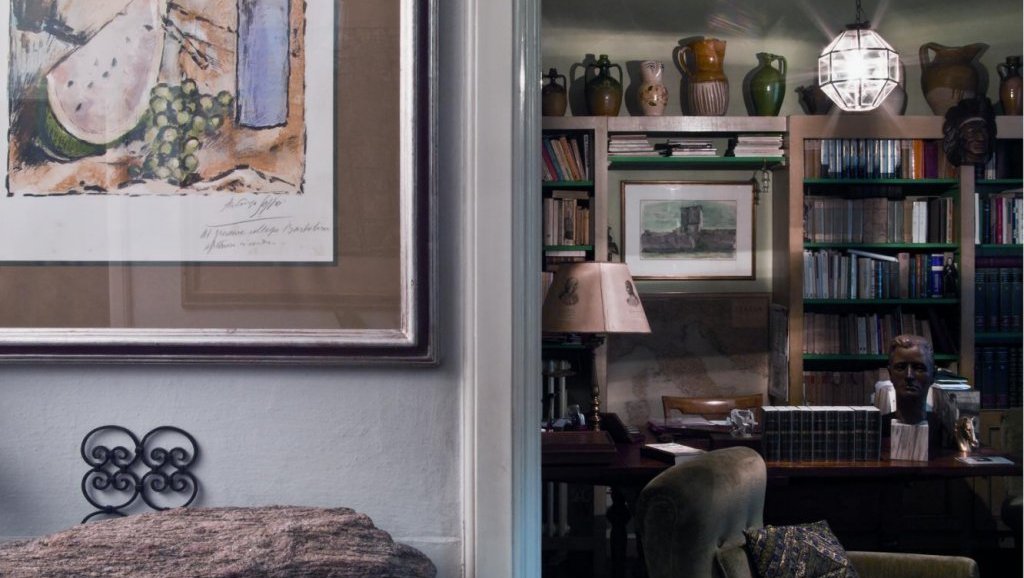
The House-museum of the painter Sigfrido Bartolini (1932-2007) houses plaster casts of Venus de Milo and Cyrene, the Friezes of the Parthenon, a collection of amphorae from all of Italy’s regions, 309 black-and-white and colour woodcuts of the Tale of Pinocchio. The Quadreria, which adorns the walls of the house, is essentially a novel journey through the artist’s works. However, it also offers works by such masters as Sironi, De Chirico,…
Pistoia
Discover The headquarters of Fondazione Pistoia Musei dedicated to temporary exhibitions. In Palazzo Buontalenti.
This palace has been set up as the headquarters of the Fondazione Pistoia Musei, dedicated to temporary exhibitions with a special focus on modern and contemporary art. Palazzo Buontalenti (formerly Palazzo Sozzifanti) is an interesting example of late-sixteenth century Florentine architecture. It occupies an important portion of the Canto de’ Rossi site at the edge of the first circle of city walls. It is imposing in terms of size, but…
Pistoia
Discover The home of the Fondazione Pistoia Musei, dedicated to 20th-century art in Pistoia.
As a result of the 2018 refurbishment of the ground-floor exhibition rooms, Palazzo de’ Rossi is a model for learning about the various artistic generations that succeeded each other in the last century. The Palazzo is the outcome of a series of construction procedures, most of which took place in the second half of the eighteenth century, that were intended to testify to the ancient lineage of the family, which…
Every day
Pistoia
Discover The house-studio can be considered an excellent text for the study of contemporary art.
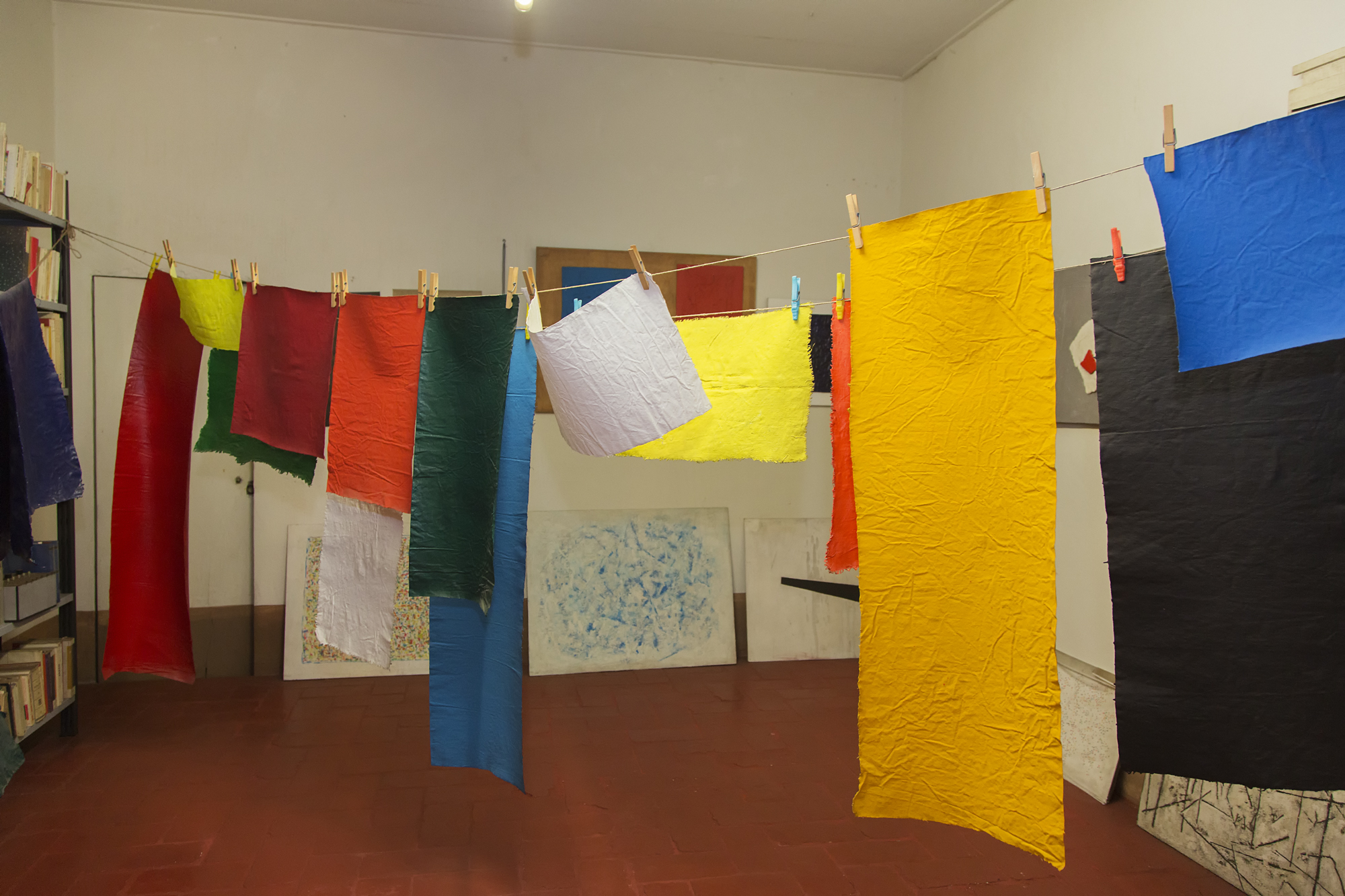
The House-studio of Fernando Melani (1907- 1985) is a special place for understanding this Pistoia artist’s entire experience, as well as his exploratory journey through the key art movements in the second half of the 20th century, from Arte Povera to Conceptual and Minimal Art. A large number of artworks occupy the ceilings, walls and floors of the different spaces, in line with the layout that Melani had given them…
Pistoia
Discover